

When it comes to fitness, most people focus on strength, endurance, or aesthetics. We chase bigger lifts, faster sprints, and leaner physiques, often overlooking one critical component that underpins nearly every movement: stability. Stability—your body’s ability to control motion, maintain balance, and transfer force efficiently—is essential for optimal performance, injury prevention, and even day-to-day functionality. Despite its importance, stability is often neglected in traditional workouts. The good news is that small, consistent efforts to improve stability can have outsized benefits for your overall fitness and well-being.
Why Stability Matters for Every Workout
Stability isn’t just about standing on one leg or holding a plank. It’s the foundation that allows your body to move efficiently and safely under load. Without it, even exercises like squats, deadlifts, or push-ups can place unnecessary strain on joints and muscles. Stability helps your core, hips, and shoulders work together to create a solid base, making your workouts more effective and reducing the risk of injury. Essentially, stability is the silent partner behind strength and endurance.
Core Control: More Than Just Abs

When most people think of “core training,” they picture crunches or sit-ups targeting the abs. But the core is far more than a single muscle group—it’s a complex network that includes your deep abdominal muscles, lower back, and pelvic floor. These muscles stabilize your spine and pelvis, allowing for smooth, controlled movement. Focusing on core stability rather than just aesthetic exercises improves posture, enhances functional strength, and supports better performance in nearly every athletic or everyday activity.
Balance: Training Your Nervous System
Stability training isn’t only about muscles; it’s also about the nervous system. Balance exercises challenge your body to coordinate multiple muscle groups and adapt to changes in position or load. This improves proprioception—your body’s ability to sense its position in space—which is key for preventing falls, improving athletic performance, and maintaining mobility as you age. Simple exercises like single-leg stands, stability ball work, or dynamic lunges engage both the body and brain to enhance overall control.
Functional Strength for Real Life
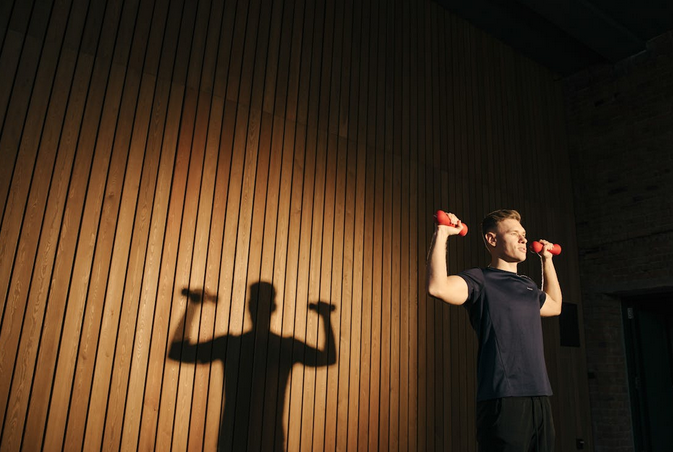
One of the most underrated benefits of stability work is how it translates to everyday life. Lifting groceries, carrying a child, navigating uneven terrain, or even sitting at a desk all rely on stability. Without it, minor movements can become inefficient or risky, leading to strain or injury over time. By integrating stability exercises into your routine, you strengthen the foundations that support all movement, making daily tasks easier and safer.
Injury Prevention: The Long-Term Payoff
Stability training is one of the most effective ways to reduce the risk of injury. When your muscles, joints, and nervous system work together seamlessly, your body can better handle unexpected stresses—whether it’s twisting an ankle during a run or catching yourself from a slip. Overlooked stability work often explains why some people experience chronic joint pain or recurring injuries despite strong muscles. Investing in stability now pays dividends later, keeping you active and healthy for the long term.
Stability is the hidden cornerstone of fitness that many people ignore in pursuit of strength, speed, or appearance. By prioritizing core control, balance, functional strength, and nervous system coordination, you can move more efficiently, prevent injuries, and improve performance across all areas of life. The Stability Blueprint is simple: small, consistent exercises that build a strong foundation create outsized benefits. Treat stability as a non-negotiable part of your fitness routine, and you’ll notice improvements not just in the gym, but in your everyday life as well.

